
Introduction to Turkish Ramadan Bread
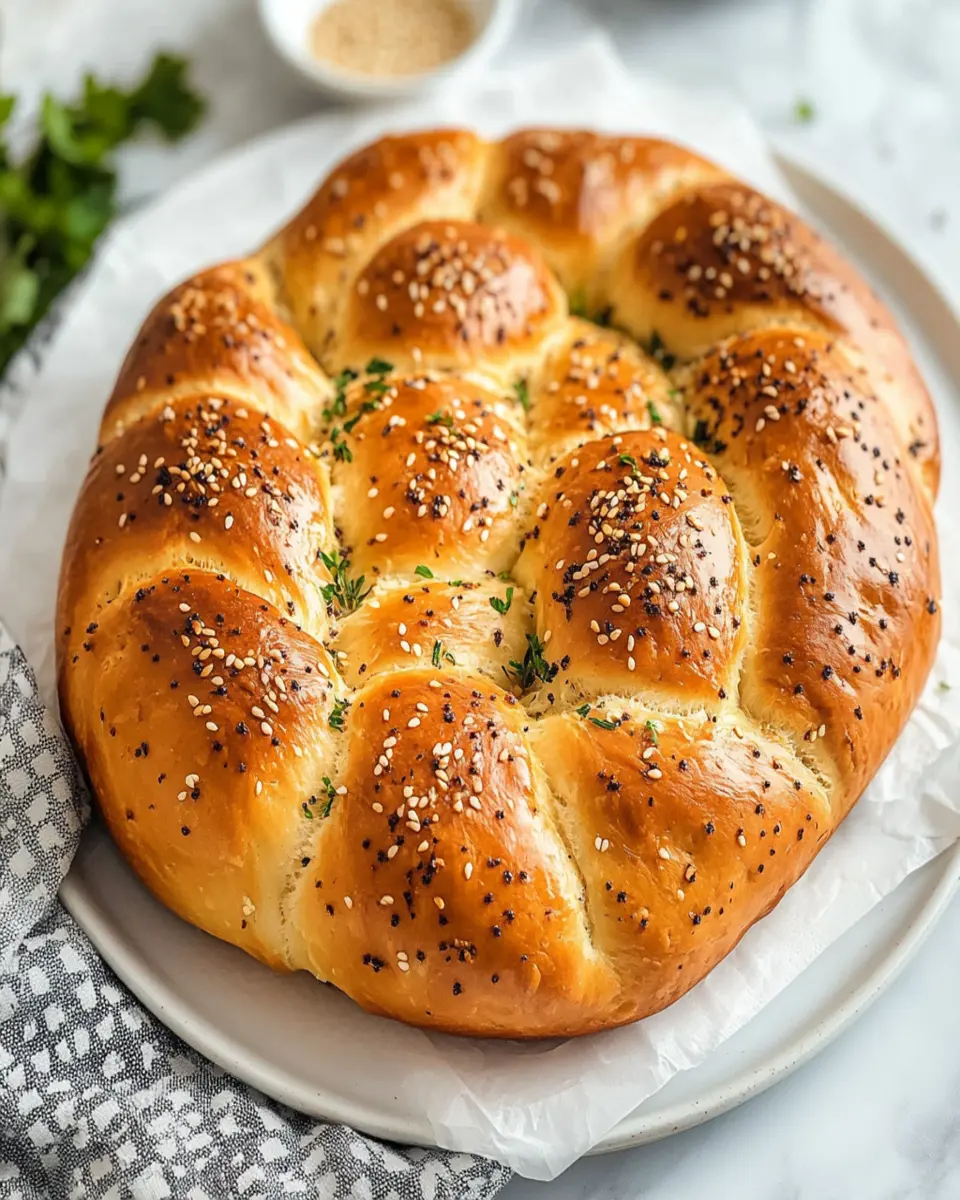
Turkish Ramadan Bread, known as Ramazan Pidesi, is a beloved staple during the holy month of Ramadan. This traditional bread is cherished not only for its delightful flavor but also for its cultural significance, often enjoyed during Iftar, the meal that breaks the daily fast. Its soft texture and sesame-topped crust make it a perfect accompaniment to various dishes or simply enjoyed on its own.

The Cultural Importance of Ramazan Pidesi
In Turkey, Ramadan is a time for community and family gatherings, and the sharing of food plays a vital role in these traditions. Ramazan Pidesi symbolizes generosity and hospitality, often baked in large quantities to be shared with friends and neighbors. Every bite of this warm, freshly made bread is a reminder of the importance of togetherness during this blessed month.
A Unique Baking Experience
Making Turkish Ramadan Bread at home is not just about following a recipe; it’s an opportunity to connect with a rich cultural heritage. The process involves kneading the dough to perfection and allowing it to rise, creating a delightful anticipation as the aroma fills the kitchen. Whether you’re an experienced baker or a novice, the joy of making this bread is accessible to everyone, bringing a sense of accomplishment and satisfaction.
Enjoying Ramazan Pidesi
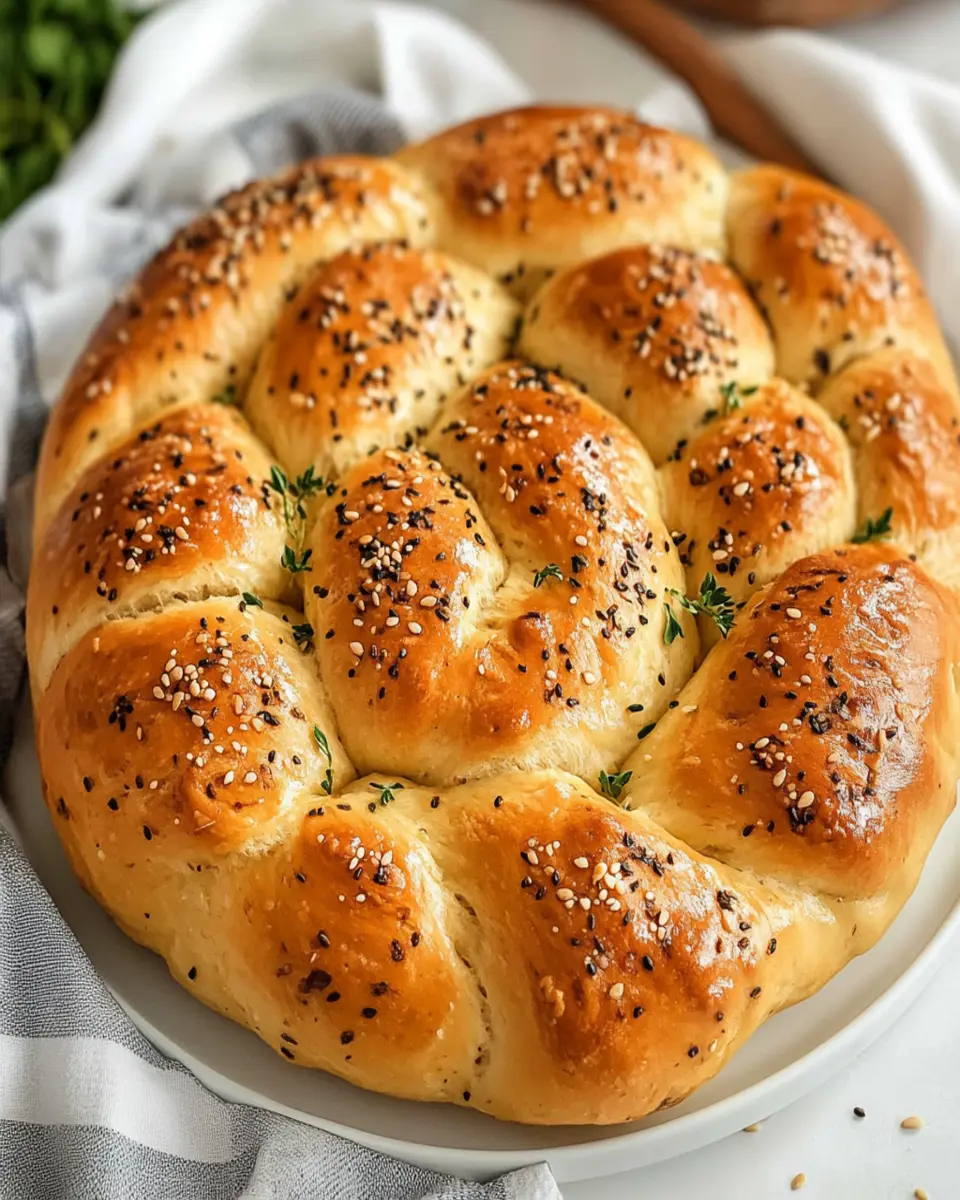
Once baked, the bread’s golden crust and soft interior invite you to indulge. Serve it warm alongside your favorite dishes, or simply enjoy it with a drizzle of olive oil. The unique flavor and texture of Ramazan Pidesi make it a memorable addition to your Ramadan celebrations. As you break your fast, let the comforting taste of this traditional bread enhance your experience, creating lasting memories with loved ones.
Key Ingredients of Turkish Ramadan Bread
When preparing homemade Turkish Ramadan Bread (Ramazan Pidesi), the quality of each ingredient plays a crucial role in achieving that authentic flavor and texture. Here’s a closer look at the key ingredients that make this bread special.
Flour (4 cups)
All-purpose flour serves as the foundation of this bread, providing the necessary structure and softness. Its fine texture allows the dough to rise beautifully, resulting in a light and airy bread that’s perfect for sharing.
Sugar (1 tablespoon)
Sugar not only enhances the flavor but also helps in the browning process during baking. It contributes to the bread’s slight sweetness, balancing the overall taste while encouraging yeast activity for a better rise.
Salt (1 tablespoon)
Salt is essential for flavor and also strengthens the gluten structure in the dough. It helps control the fermentation process, ensuring that the bread rises evenly and develops a rich taste.
Instant Yeast (1 packet)
Instant yeast is the key leavening agent that enables the dough to rise quickly. Its convenience means you can skip the proofing step, making the bread-baking process more efficient without sacrificing flavor.
Warm Water (1.5 cups)
Warm water activates the yeast and helps the dough come together, resulting in a smooth, elastic texture. The right temperature is vital to ensure the yeast works effectively, leading to a perfect rise.
Olive Oil (1/4 cup)
Olive oil adds moisture and richness to the dough, contributing to a tender crumb and enhancing the bread’s flavor. It also aids in achieving a golden crust when baked.
Sesame Seeds (for topping)
These seeds add a delightful crunch and nutty flavor to the crust of the bread. They not only enhance the visual appeal but also provide a traditional touch that completes the authentic experience of Ramazan Pidesi.
Why You’ll Love This Recipe
Turkish Ramadan Bread (Ramazan Pidesi) is not just a recipe; it’s a celebration of tradition and flavor that brings warmth to your home. The moment you pull this golden, sesame-topped bread from the oven, you’ll understand why it’s cherished during Ramadan. Its soft texture and delightful aroma make it an irresistible addition to any meal, perfect for sharing with family and friends.
A Perfect Blend of Simplicity and Taste
This recipe is designed with busy young professionals in mind, combining simplicity with authentic taste. With just a handful of ingredients, you can create a bread that rivals any bakery’s offering. The ease of preparation means you can whip it up even on the busiest days, ensuring that you can enjoy homemade goodness without the hassle.
Great for Any Occasion
While Ramazan Pidesi holds special significance during Ramadan, its deliciousness knows no bounds. This bread is perfect for any occasion—be it a holiday gathering, a cozy dinner, or just a simple snack. Serve it warm with olive oil, or pair it with your favorite dips and spreads. You’ll find it hard to resist going back for seconds!
The Joy of Baking Together
Baking this bread is an opportunity to connect with loved ones. Gather your family or friends to knead the dough and shape the loaves together. It’s a delightful way to create lasting memories while indulging in the rich flavors of Turkish cuisine. Get ready to enjoy the fruits of your labor with every warm, fluffy bite!
Variations of Turkish Ramadan Bread
Turkish Ramadan Bread (Ramazan Pidesi) is a versatile base that can be adapted in various ways to suit different tastes and occasions. While the traditional version is beloved, exploring its variations can elevate your baking experience and delight your family and friends.
Herb-Infused Ramazan Pidesi
One delightful variation is to incorporate fresh herbs like rosemary or thyme into the dough. This not only adds a fragrant aroma but also infuses the bread with a unique flavor profile that pairs beautifully with savory dishes. Simply chop the herbs finely and mix them into the flour before adding the wet ingredients.
Cheese-Topped Delight
Another popular twist is adding cheese on top before baking. Feta, mozzarella, or even a sprinkle of grated Parmesan can bring a rich, creamy texture to the crust. This variation is particularly appealing for those who enjoy a savory snack and it makes for a great appetizer when hosting guests.
Sweet Variant with Dried Fruits
For a sweet take, consider adding dried fruits like raisins or apricots to the dough. This variation can be enjoyed as a breakfast item or a dessert, especially when paired with honey or jam. The hint of sweetness complements the soft texture of the bread, creating a delightful contrast.
Each of these variations allows you to personalize your Turkish Ramadan Bread, making it a versatile addition to any meal. Experimenting with flavors not only keeps your culinary experiences fresh but also brings a touch of creativity to your baking endeavors.
Cooking Tips and Notes
Creating the perfect Turkish Ramadan Bread (Ramazan Pidesi) is an art that involves a few essential tips to elevate your baking experience. Here are some helpful notes to ensure your bread turns out delicious every time.
Achieving the Perfect Dough
When mixing the dry ingredients, make sure they are well combined before adding the wet components. This helps in evenly distributing the yeast and ensures a consistent rise. Knead the dough until it’s smooth and elastic, which is crucial for developing the gluten structure that gives the bread its delightful texture.
The Right Rising Environment
For optimal dough rising, find a warm, draft-free location in your kitchen. If your home is cool, consider turning on your oven to the lowest setting for a few minutes, then turning it off and placing the dough inside to rise. This method creates a cozy environment, allowing the dough to double in size effectively.
Baking Tips for a Golden Crust
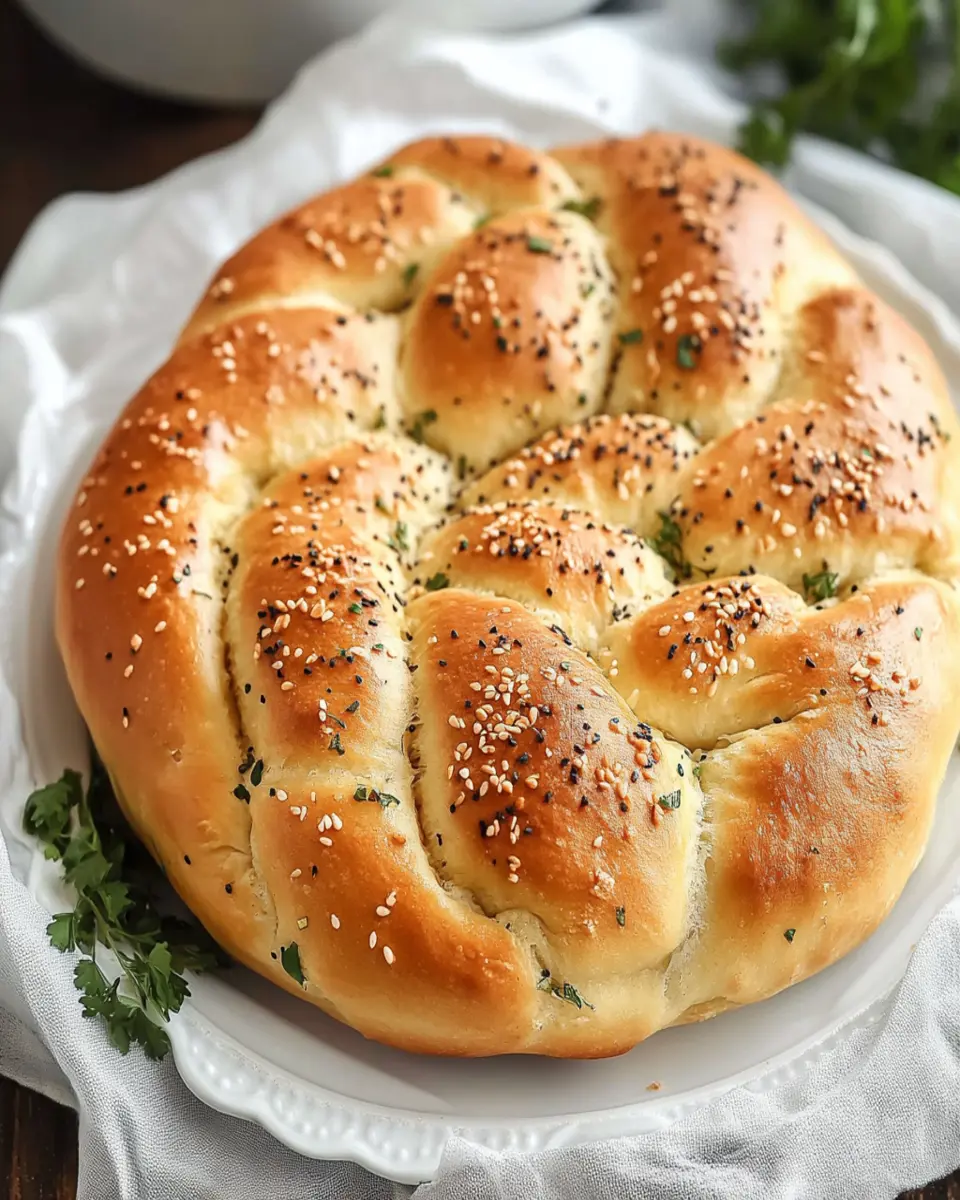
To achieve that beautiful golden-brown crust, consider brushing the tops of the dough with water before sprinkling on sesame seeds. For an even softer crust, you can place a small pan of water in the oven while baking. This steam will help keep the bread moist and enhance the crust’s texture.
Serving Suggestions
This bread is best enjoyed warm, straight out of the oven. Pair it with a variety of dips or serve alongside your favorite dishes during Iftar. If you have leftovers, Ramazan Pidesi can be frozen and reheated, making it a convenient option for future meals. Enjoy the process, and don’t hesitate to experiment with different toppings or flavors!
Serving Suggestions for Turkish Ramadan Bread
Turkish Ramadan Bread (Ramazan Pidesi) is a delightful treat that can be paired with a variety of dishes, enhancing any meal with its soft texture and unique flavor. Here are some delicious serving suggestions that will elevate your dining experience.
Perfect for Iftar
One of the most popular ways to enjoy Ramazan Pidesi is during Iftar, the meal that breaks the daily fast during Ramadan. Serve it warm alongside traditional dishes like lentil soup or a refreshing salad. The bread’s texture complements these dishes beautifully, making it an essential part of the meal.
Dips and Spreads
For a casual gathering or a cozy night in, consider serving Turkish Ramadan Bread with a selection of dips. Hummus, baba ghanoush, or tzatziki are fantastic choices that pair well with the warm, sesame-topped crust. You can even create a little dipping station, allowing guests to enjoy the bread in a fun and interactive way.
Breakfast Delight
Ramazan Pidesi can also be enjoyed as a breakfast item. Serve slices with butter and a drizzle of honey for a sweet start to your day. Alternatively, top it with cream cheese and fresh herbs for a savory option. The possibilities are endless, and its versatility makes it a fantastic addition to any meal throughout the day.
Leftovers and Storage
If you have any leftovers, don’t worry! Turkish Ramadan Bread can be frozen and reheated later, maintaining its delicious flavor and texture. Simply wrap it in foil and place it in the oven to warm it up, ensuring you can enjoy this delightful bread anytime.
Time Breakdown for Preparing Turkish Ramadan Bread
When planning to make Turkish Ramadan Bread (Ramazan Pidesi), understanding the time needed for each part of the process can help streamline your baking experience. Here’s a quick breakdown:
Preparation
20 minutes: This includes measuring the ingredients and mixing them to form the dough.
Cooking/Baking
15 minutes: The bread bakes quickly in the oven, turning golden brown and ready to serve.
Total
1 hour 35 minutes: This total time also accounts for the rising periods, ensuring your bread is fluffy and delicious.
Efficiency Tip: To save time, you can prepare the dough in advance and let it rise in the refrigerator overnight. This way, you can simply shape and bake it the next day!
Nutritional Facts of Turkish Ramadan Bread
Turkish Ramadan Bread (Ramazan Pidesi) is not only a delicious addition to your meals but also offers a balanced nutritional profile. Each serving contains about 200 calories, making it a satisfying yet light option for any meal.
Key Nutritional Information
With 5 grams of protein and 35 grams of carbohydrates per serving, this bread provides a good energy source. It also contains 1 gram of sugar and 5 grams of fat, which includes healthy unsaturated fats from olive oil. Additionally, each serving has 300 mg of sodium and 1 gram of fiber, contributing to a wholesome diet.
This bread is cholesterol-free, making it suitable for various dietary preferences, including vegetarian diets. Enjoy the delightful taste of Ramazan Pidesi while benefiting from its nutritional goodness!
FAQ about Turkish Ramadan Bread
What is Turkish Ramadan Bread?
Turkish Ramadan Bread, or Ramazan Pidesi, is a traditional bread made during the holy month of Ramadan. It is characterized by its soft texture and sesame-topped crust, making it a delightful addition to Iftar meals.
How do I store leftovers?
If you have leftover Ramazan Pidesi, it can be easily frozen and reheated later. Wrap it tightly in plastic wrap or foil, and store it in an airtight container. To reheat, simply place it in the oven until warm.
Can I customize the recipe?
Absolutely! You can customize Turkish Ramadan Bread by adding herbs, cheese, or even dried fruits to the dough for added flavor. These variations allow you to create a bread that suits your taste preferences, while still enjoying the classic essence of Ramazan Pidesi.
How long does it take to prepare?
The total time to prepare Turkish Ramadan Bread is about 1 hour and 35 minutes, including rising and baking time. It’s a straightforward recipe that can fit into a busy schedule, making it perfect for young professionals and home cooks alike.
Conclusion on Turkish Ramadan Bread
Turkish Ramadan Bread (Ramazan Pidesi) is not just a staple during Ramadan; it’s a symbol of warmth and community. Its soft texture and delightful sesame-topped crust make it a beloved addition to any meal, especially during the Iftar gatherings.
By following this simple recipe, you can create a delicious bread that brings everyone together around the table. Whether enjoyed warm with dips or served alongside traditional dishes, this bread is sure to impress. Don’t hesitate to experiment with variations to make it your own. Enjoy the process of baking and the joy it brings to your home! Cook, save, share, and comment on your experience with this delightful bread.
Print
Turkish Ramadan Bread (Ramazan Pidesi)
- Total Time: 1 hour 35 minutes
- Yield: 8 servings 1x
- Diet: Vegetarian
Description
A traditional Turkish bread made during Ramadan, characterized by its soft texture and sesame-topped crust.
Ingredients
- 4 cups all-purpose flour
- 1 tablespoon sugar
- 1 tablespoon salt
- 1 packet instant yeast
- 1.5 cups warm water
- 1/4 cup olive oil
- sesame seeds for topping
Instructions
- In a large bowl, mix the flour, sugar, salt, and yeast.
- Add the warm water and olive oil to the dry ingredients and knead until a smooth dough forms.
- Cover the dough and let it rise in a warm place for about 1 hour or until doubled in size.
- Preheat the oven to 450°F (230°C).
- Divide the dough into equal portions and shape each into a round flatbread.
- Place the shaped dough on a baking sheet and let rise for another 30 minutes.
- Brush the tops with water and sprinkle sesame seeds on each.
- Bake in the preheated oven for 10-15 minutes or until golden brown.
Notes
- For a softer crust, steam the oven while baking.
- This bread is best served warm.
- Can be frozen and reheated later.
- Prep Time: 20 minutes
- Cook Time: 15 minutes
- Category: Bread
- Method: Baking
- Cuisine: Turkish
Nutrition
- Serving Size: 1 piece
- Calories: 200
- Sugar: 1g
- Sodium: 300mg
- Fat: 5g
- Saturated Fat: 1g
- Unsaturated Fat: 3g
- Trans Fat: 0g
- Carbohydrates: 35g
- Fiber: 1g
- Protein: 5g
- Cholesterol: 0mg