
Introduction to Homemade Bread
Homemade bread is a culinary delight that not only fills your home with an inviting aroma but also provides a sense of accomplishment. The KitchenAid Bread Recipe simplifies the process, allowing even time-pressed young professionals to create a delicious loaf with minimal effort. Whether you’re a seasoned baker or a novice in the kitchen, this recipe offers a straightforward approach to making fresh, flavorful bread.

The Joy of Baking Bread
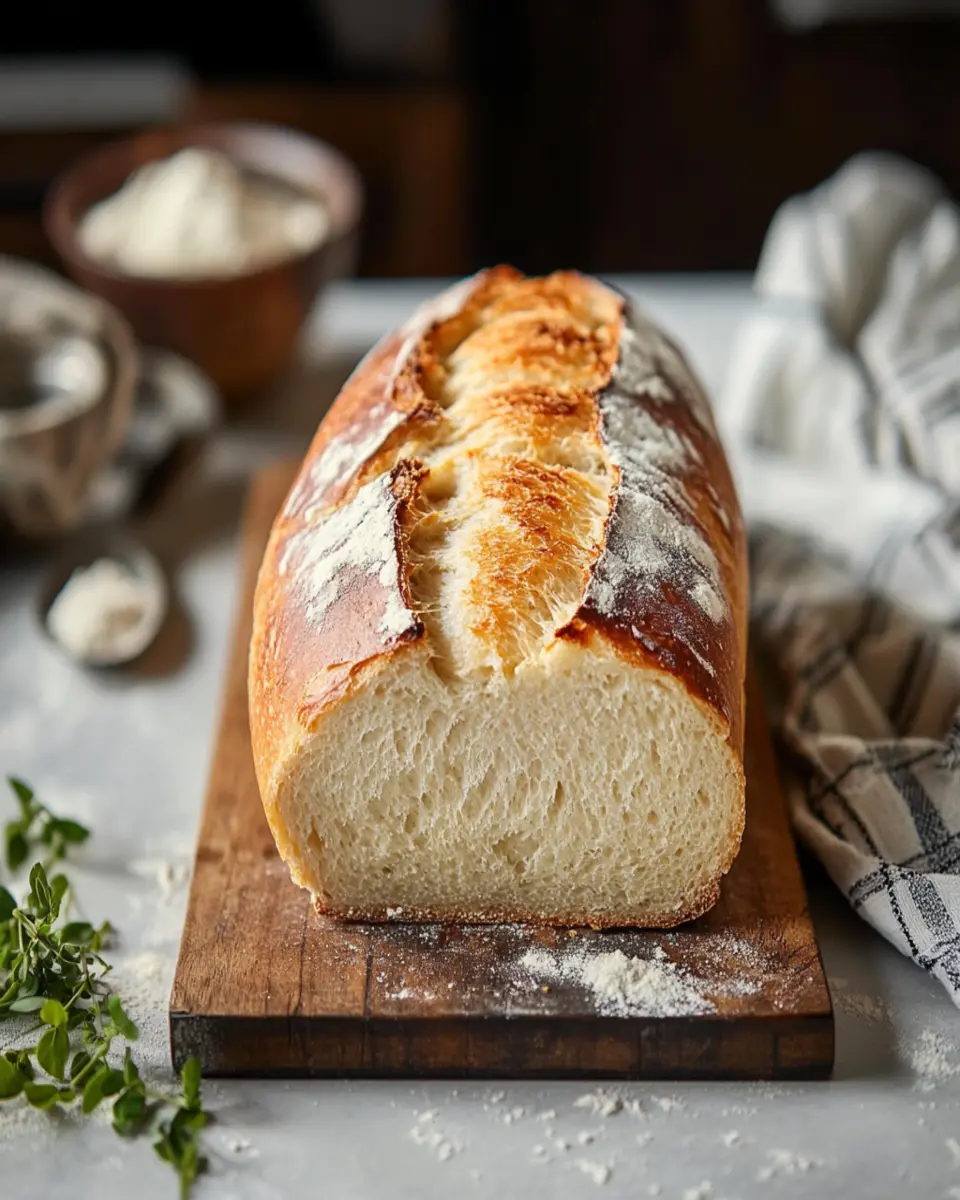
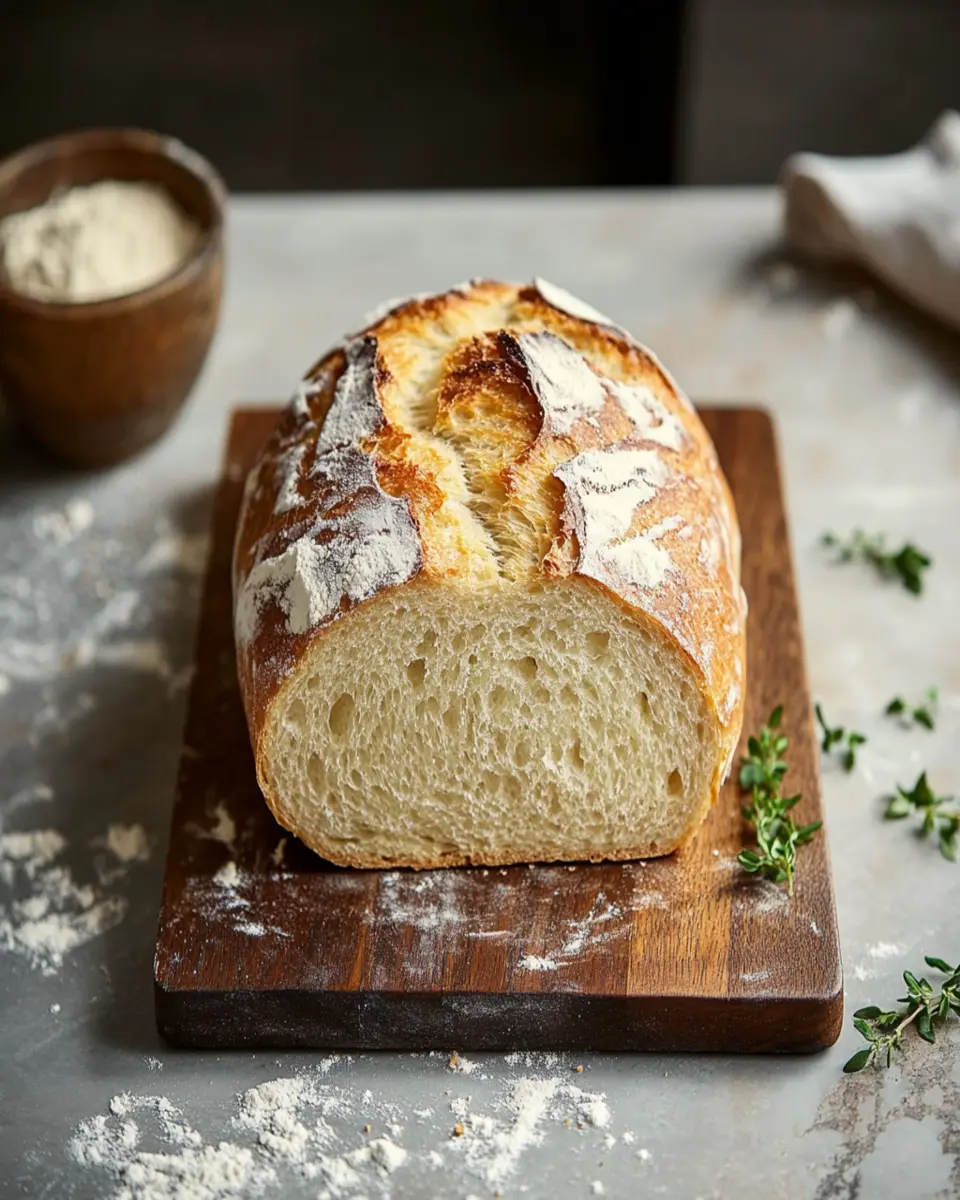
Baking bread at home can be a rewarding experience. It’s more than just a recipe; it’s a way to connect with tradition and create something uniquely yours. Imagine pulling a warm loaf from the oven, its crust golden and inviting, ready to be sliced and enjoyed. Not only does homemade bread taste better, but it also allows you to customize flavors and ingredients to suit your taste.
Why Choose a KitchenAid Recipe?
Using a KitchenAid mixer streamlines the bread-making process, ensuring consistent results with less manual effort. The powerful motor kneads the dough effortlessly, saving you time and energy. With just a few simple ingredients—bread flour, sugar, salt, yeast, warm water, and olive oil—you can create a delightful loaf that’s perfect for sandwiches, toast, or simply enjoying with butter.
A Simple Promise
This KitchenAid Bread Recipe provides a simple and delicious way to make homemade bread. By following the easy-to-understand instructions, you can have a fresh loaf ready in just a few hours, making it a perfect weekend project or a delightful surprise for unexpected guests. So why not give it a try? Your kitchen will thank you!
Key Ingredients
When it comes to making the perfect loaf of bread, the quality and type of ingredients you choose can make all the difference. This KitchenAid Bread Recipe relies on a few fundamental components that work together to create a delicious and satisfying homemade bread.
Bread Flour (4 cups)
Bread flour is essential for achieving the right texture and structure in your bread. With a higher protein content than all-purpose flour, it helps develop gluten, giving your loaf strength and chewiness.
Sugar (1 tablespoon)
Sugar not only adds a hint of sweetness to your bread but also serves as food for the yeast, helping it to activate and rise effectively. This small amount enhances the flavor profile and contributes to the golden crust.
Salt (2 teaspoons)
Salt is crucial for flavor and also plays a role in controlling yeast activity. It enhances the overall taste of the bread while strengthening the gluten structure, ensuring a perfect rise and crumb texture.
Active Dry Yeast (1 tablespoon)
Yeast is the magic ingredient that causes the dough to rise. Active dry yeast needs to be activated in warm water, allowing it to ferment and produce carbon dioxide, which creates those delightful air pockets in your bread.
Warm Water (1 ½ cups)
The warm water is vital for activating the yeast. It should be just warm to the touch, typically around 110°F (43°C), as too hot water can kill the yeast, while too cold water might not activate it effectively.
Olive Oil (2 tablespoons)
Olive oil adds richness and moisture to your bread, contributing to a tender crumb. It also helps keep the bread fresh for longer, making it a perfect addition to your recipe.
Using these key ingredients will ensure your homemade bread is not only delicious but also has the perfect texture and rise. Give this KitchenAid Bread Recipe a try, and enjoy the satisfaction of baking your own bread at home!
Why You’ll Love This Recipe
There’s something truly special about baking your own bread, and this KitchenAid Bread Recipe makes it easier and more enjoyable than ever. Perfect for young professionals and homemade-food lovers, this recipe offers a simple way to create a delightful loaf that fills your home with warmth and comfort.
Freshness and Flavor
Baking at home ensures that you get to enjoy the freshest bread possible. The moment you slice into your warm loaf, the rich aroma and taste will make every effort worthwhile. Plus, you can control the ingredients, making it easier to cater to your dietary preferences or experiment with flavors.
Time-Efficient and Simple
With just a few ingredients and straightforward instructions, this recipe accommodates even the busiest schedules. You can prepare the dough in about 15 minutes, and while it rises, you can tackle other tasks. The result? A homemade loaf that doesn’t take all day to create.
A Sense of Accomplishment
There’s a unique satisfaction that comes from baking your own bread. It’s not just about the end product; it’s about the process and the joy of creating something from scratch. Imagine serving your homemade bread at dinner or gifting a loaf to a friend—it’s sure to impress!
In summary, this KitchenAid Bread Recipe combines convenience, flavor, and gratification, making it a must-try for anyone looking to embrace the art of bread making.
Variations
Exploring variations of this KitchenAid Bread Recipe can elevate your baking experience and allow you to customize flavors to suit your palate. With just a few simple adjustments, you can create a range of delicious breads that will impress family and friends.
Herb-Infused Bread
Adding fresh or dried herbs to the dough is a fantastic way to enhance the flavor. Consider mixing in rosemary, thyme, or oregano for a savory twist. Just a tablespoon or two will add a delightful aroma and taste that pairs perfectly with soups and salads.
Whole Wheat Option
For a healthier alternative, swap out half of the bread flour for whole wheat flour. This will give your bread a nuttier flavor and increase its nutritional value. Don’t forget to adjust the water slightly, as whole wheat flour absorbs more moisture.
Sweet Variations
If you prefer a sweeter bread, try incorporating ingredients like honey or maple syrup instead of sugar. You can also add dried fruits such as cranberries, raisins, or even chocolate chips for a delightful treat. These options are perfect for breakfast or as a snack.
Experimenting with these variations allows you to make the KitchenAid Bread Recipe your own while still enjoying the simplicity of homemade bread. So, don’t hesitate to get creative and discover your favorite combinations!

Cooking Tips and Notes
Baking bread at home can be incredibly rewarding, especially with this KitchenAid Bread Recipe. To ensure your bread turns out perfectly every time, here are some valuable tips and notes to consider.
Proofing the Yeast
Always make sure that your yeast is fresh. To check its viability, combine it with warm water and sugar as instructed in the recipe. If it becomes foamy after about five minutes, you’re good to go! This step is crucial for achieving that light and airy texture in your bread.
Kneading the Dough
Kneading is essential for developing gluten, which gives bread its structure. Use your KitchenAid mixer with the dough hook for about 10 minutes on medium speed. The dough should feel smooth and elastic when it’s ready. If it’s too sticky, a little extra flour can help.
Rising Times
Allowing the dough to rise properly is key to a great loaf. Make sure to cover it with a damp cloth or plastic wrap to prevent it from drying out. The first rise should take about an hour, and the second rise should be around 30 to 45 minutes. If your kitchen is cool, you can place the dough in a slightly warmed oven to speed up the process.
Baking Tips
For a crustier loaf, consider placing a pan of water in the oven while baking. This creates steam, improving the crust’s texture. Additionally, keep an eye on the bread as it bakes; it should be golden brown and sound hollow when tapped on the bottom.
By following these tips, you’ll enhance your bread-making skills and enjoy a delicious homemade loaf every time!
Serving Suggestions
Homemade bread is incredibly versatile, and this KitchenAid Bread Recipe can be enjoyed in numerous ways. Whether you’re looking to create a hearty breakfast or a satisfying dinner, here are some delightful serving suggestions to elevate your bread experience.
Breakfast Bliss
Start your day with a slice of warm bread topped with creamy avocado, a sprinkle of salt, and a drizzle of olive oil. This simple combination is not only nutritious but also incredibly delicious. Alternatively, serve toasted slices with butter and your favorite jam for a classic breakfast treat.
Perfect for Sandwiches
This bread makes an excellent base for sandwiches. Layer slices with turkey, cheese, and fresh greens for a quick lunch, or go for a classic grilled cheese with gooey melted cheese between two slices of your freshly baked loaf. The bread’s texture holds up beautifully under all your favorite fillings.
Accompaniment for Dinners
Pair your homemade bread with soups or salads. It’s perfect for dipping into a hearty vegetable soup or serving alongside a fresh garden salad. You can also use it to scoop up your favorite dips, such as hummus or spinach artichoke dip, at gatherings.
These serving suggestions highlight the wonderful versatility of your homemade bread, making it a daily staple that complements a variety of meals. Enjoy experimenting with different toppings and pairings!
Time Breakdown
Understanding the time commitment for making this KitchenAid Bread Recipe can help you plan your baking session effectively. Here’s a quick overview of the time involved:
Preparation
Prepare the ingredients and mix the dough in about 15 minutes. This quick prep time makes it easy to fit bread-making into your busy schedule.
Cooking/Baking
Bake the bread for 30 to 35 minutes after the rising periods. This gives you a golden-brown crust and a soft interior, perfect for any meal.
Total
From start to finish, expect the entire process to take around 2 hours, including rising and baking.
For efficiency, consider preparing your ingredients and mixing the dough while multitasking with other kitchen activities, making the most of your time!
Nutritional Facts
Understanding the nutritional information of this KitchenAid Bread Recipe can help you make informed choices while enjoying your homemade bread. Each slice contains approximately 150 calories, making it a reasonable option for a satisfying snack or part of a meal.
In terms of macronutrients, you’ll find 1 gram of sugar, 300 milligrams of sodium, and 5 grams of protein per slice. The bread also contains 3 grams of fat, including healthy unsaturated fats from olive oil, and 28 grams of carbohydrates, providing energy to fuel your day. With 1 gram of dietary fiber, this bread contributes to your daily intake, making it a wholesome choice for your diet.
FAQ based on “People Also Ask”
How do I store homemade bread?
To store homemade bread, allow it to cool completely, then wrap it in plastic wrap or aluminum foil. Keep it at room temperature for up to three days. For longer storage, slice the bread and freeze it in an airtight container for up to three months.
Can I use whole wheat flour in this recipe?
Yes, you can substitute half of the bread flour with whole wheat flour for a healthier option. This will add a nuttier flavor and more nutrients to your bread while maintaining its delicious texture.
What can I add to the dough for extra flavor?
Feel free to experiment with adding herbs, spices, or even cheese to the dough. Ingredients like rosemary, thyme, or garlic powder can enhance the flavor profile of your bread, making it even more enjoyable.
Why is my bread not rising?
If your bread isn’t rising, it may be due to inactive yeast. Ensure your yeast is fresh and properly activated in warm water with sugar. Also, make sure your rising environment is warm and draft-free to encourage proper fermentation.
Conclusion
In conclusion, this KitchenAid Bread Recipe provides a simple and delicious way to create homemade bread that will impress your family and friends. With just a few basic ingredients and straightforward instructions, you can enjoy the satisfaction of baking fresh bread right in your own kitchen.
Not only does homemade bread taste better than store-bought options, but it also allows for customization to suit your personal preferences. Whether you choose to add herbs, spices, or other flavors, each loaf can be uniquely yours. So go ahead, give this recipe a try, and share your baking adventures with others—your kitchen will thank you!
Print
KitchenAid Bread Recipe
- Total Time: 2 hours
- Yield: 1 loaf 1x
- Diet: Vegetarian
Description
This KitchenAid Bread Recipe provides a simple and delicious way to make homemade bread.
Ingredients
- 4 cups bread flour
- 1 tablespoon sugar
- 2 teaspoons salt
- 1 tablespoon active dry yeast
- 1 ½ cups warm water
- 2 tablespoons olive oil
Instructions
- In a mixing bowl, combine warm water, sugar, and yeast. Let it sit for about 5 minutes until foamy.
- In a separate bowl, mix bread flour and salt.
- Add the flour mixture to the yeast mixture and mix on low speed until combined.
- Add olive oil and mix until the dough forms.
- Knead the dough for about 10 minutes until smooth and elastic.
- Place the dough in a greased bowl, cover, and let it rise for 1 hour.
- Punch down the dough and shape it into a loaf.
- Place in a greased loaf pan and let it rise again for 30-45 minutes.
- Bake in a preheated oven at 375°F (190°C) for 30-35 minutes.
Notes
- For a crustier bread, place a pan of water in the oven while baking.
- Experiment with adding herbs or spices for extra flavor.
- Prep Time: 15 minutes
- Cook Time: 35 minutes
- Category: Breads
- Method: Baking
- Cuisine: American
Nutrition
- Serving Size: 1 slice
- Calories: 150
- Sugar: 1g
- Sodium: 300mg
- Fat: 3g
- Saturated Fat: 0.5g
- Unsaturated Fat: 2g
- Trans Fat: 0g
- Carbohydrates: 28g
- Fiber: 1g
- Protein: 5g
- Cholesterol: 0mg