
Introduction
Cooking can sometimes feel like a daunting task, especially when you’re juggling a busy lifestyle. However, learning how to cook mung beans is not only simple but can also be a rewarding experience. Mung beans are tiny powerhouses of nutrition, packed with protein, fiber, and essential vitamins. They are versatile and can be incorporated into a variety of dishes, making them an excellent staple for young professionals and homemade food lovers alike.

In this guide, we will walk you through the quick and easy process of cooking mung beans. Whether you’re looking to add them to salads, soups, or as a standalone dish, we’ve got you covered. With just a few ingredients and straightforward instructions, you’ll be enjoying this healthy legume in no time. So, if you’re ready to elevate your cooking game and impress your friends with your culinary skills, let’s dive in!
Cooking mung beans is not just about the food—it’s about embracing a healthier lifestyle. Have you ever wondered how such tiny beans can pack such a nutritional punch? Let’s explore this delightful ingredient and discover how it can transform your meals.
Key Ingredients
Cooking mung beans requires just a few simple ingredients that come together to create a nutritious meal. Let’s take a closer look at each key ingredient that makes this dish both delicious and healthy.
Mung Beans (1 cup)
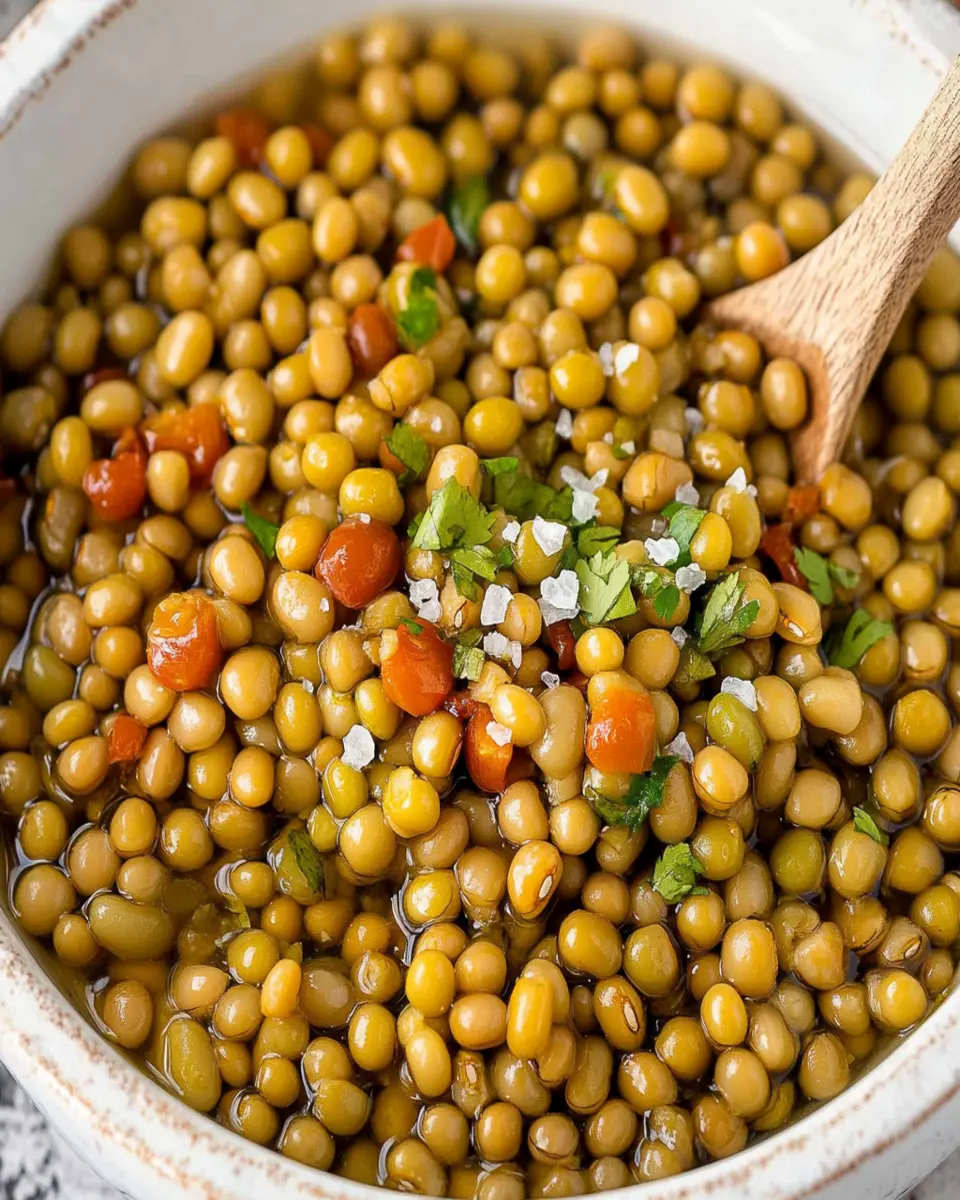
Mung beans are the star of this recipe, providing a rich source of protein, fiber, and essential nutrients. They have a mild flavor and a slightly sweet taste, making them a versatile addition to many dishes.
Water (3 cups)
Water is essential for cooking the mung beans. It helps to hydrate the beans, allowing them to soften and become tender during the cooking process.
Salt (1 teaspoon)
Salt enhances the flavor of the mung beans, bringing out their natural taste. It’s important to add salt towards the end of cooking to ensure the beans remain tender.
Olive Oil (1 tablespoon, optional)
Olive oil adds a touch of richness and depth to the dish. While optional, it can elevate the flavor and provide healthy fats, making the mung beans even more satisfying.
By using these simple yet effective ingredients, you can easily whip up a batch of mung beans that are not only tasty but also packed with health benefits. Knowing how to cook mung beans opens up a world of culinary possibilities, making it an excellent choice for any home cook.
Why You’ll Love This Recipe
Cooking mung beans is a delightful experience, and you’ll quickly discover why this recipe is a favorite among young professionals and homemade food lovers. Not only is this dish quick to prepare, taking just 35 minutes from start to finish, but it also packs a nutritional punch that will keep you energized throughout your busy day.
Mung beans are incredibly versatile and can be enjoyed in various ways. Whether you’re tossing them into a salad for added texture or blending them into a hearty soup, they adapt beautifully to your culinary creativity. Plus, they’re naturally vegan and gluten-free, making them an excellent choice for a wide array of diets.
Have you ever wanted a meal that’s both healthy and satisfying? This recipe for cooking mung beans accomplishes just that. With the right combination of simple ingredients and a straightforward approach, you can have a delicious dish on your table in no time. So, why not give this recipe a try? Once you do, you’ll see just how easy it is to cook mung beans and enjoy their many benefits!
Variations
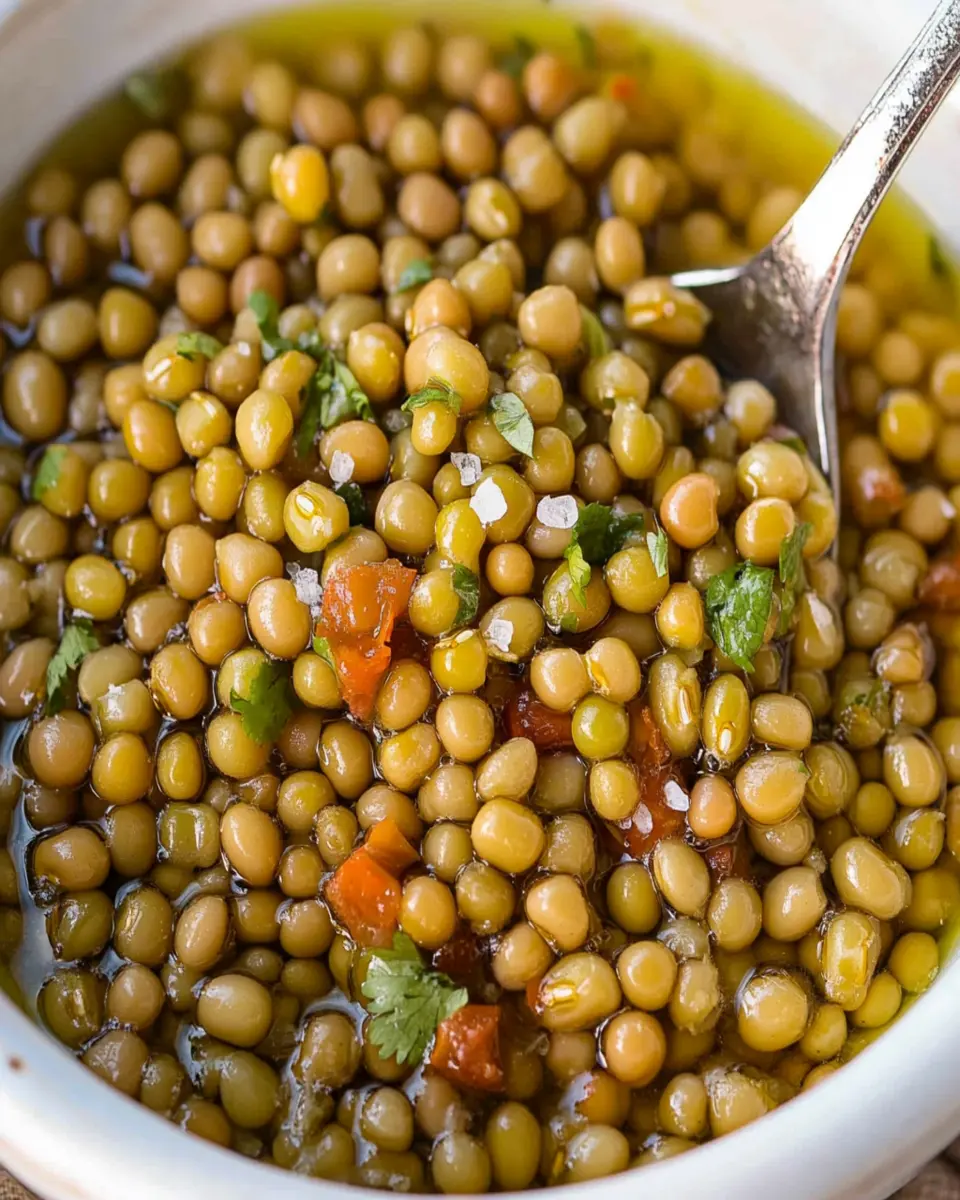
Cooking mung beans offers a wonderful opportunity to experiment with flavors and textures. Here are some delicious variations to consider that will keep your meals exciting and fresh.
Spicy Mung Beans
For those who enjoy a kick, add some diced jalapeños or crushed red pepper flakes during the cooking process. This will infuse the beans with heat and transform them into a spicy side dish that pairs well with rice or quinoa.
Curried Mung Beans
Incorporating curry powder or paste can give your mung beans a rich, aromatic flavor. Simply stir in a tablespoon of curry powder when you add the salt, and let the beans absorb those delightful spices. Serve over basmati rice for a comforting meal.
Mung Bean Salad
Once your mung beans are cooked and cooled, toss them with chopped vegetables like cucumbers, tomatoes, and bell peppers. Drizzle with a simple vinaigrette made of olive oil, lemon juice, salt, and pepper for a refreshing salad that’s perfect for lunch.
Mung Bean Soup
Blend cooked mung beans with vegetable broth and your choice of seasonings to create a creamy soup. Add ingredients like garlic, onions, and herbs for extra flavor. This variation is perfect for a cozy dinner and is packed with nutrients.
Exploring these variations will not only enhance your cooking skills but also introduce you to new taste sensations, making your experience with mung beans even more enjoyable.
Cooking Tips and Notes
Cooking mung beans is a straightforward process, but a few tips can enhance your experience and results. Here are some helpful notes to ensure your mung beans turn out perfectly every time.
Rinsing and Soaking
Rinsing the mung beans thoroughly before cooking is crucial. This removes any dust or impurities. If you have time, consider soaking the beans for a few hours or overnight. Soaking not only reduces cooking time but also helps in achieving a softer texture.
Cooking Consistency
When cooking mung beans, keep an eye on the water level. It’s important to use the right ratio of water to beans to ensure even cooking. If you find the beans are still firm after 30 minutes, feel free to simmer them a bit longer, checking periodically for tenderness.
Flavor Enhancements
After cooking, don’t hesitate to experiment with flavors. Adding herbs, spices, or even a splash of vinegar can elevate the dish. Whether you choose to incorporate garlic, ginger, or fresh herbs, these additions can make your mung beans even more delicious.
Storage Tips
Cooked mung beans can be stored in the refrigerator for up to a week, making them a convenient meal prep option. They can be easily reheated or added to various dishes like salads or soups, ensuring you have nutritious meals ready to go.
Embracing these tips will help you master how to cook mung beans, making them a staple in your culinary repertoire.
Serving Suggestions
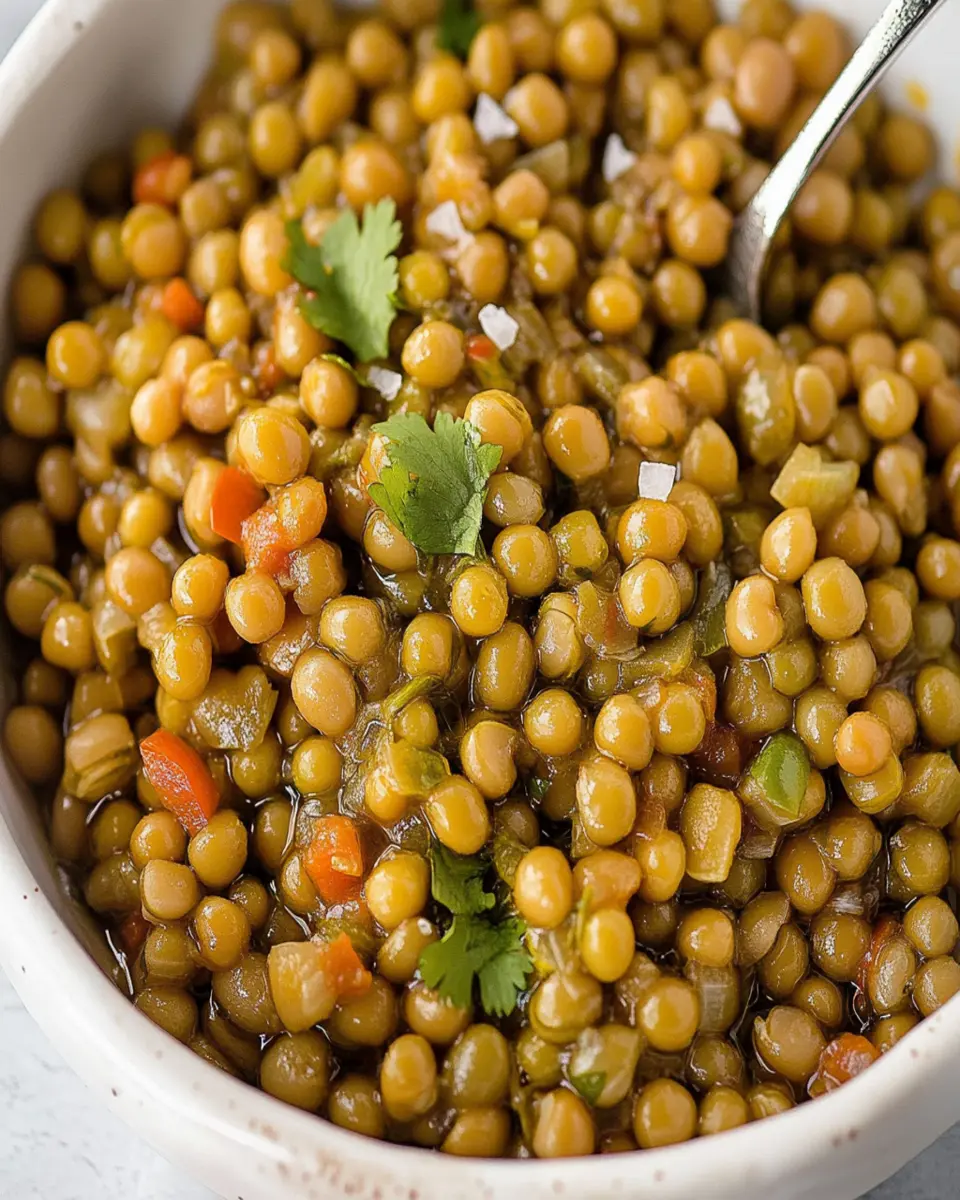
Cooking mung beans opens up a world of delicious serving options that are both nutritious and satisfying. Here are some creative ways to enjoy your cooked mung beans.
Mung Bean Bowl
Create a hearty mung bean bowl by layering cooked beans with brown rice or quinoa, fresh vegetables like spinach and bell peppers, and a drizzle of tahini or your favorite dressing. This makes for a balanced meal packed with protein and fiber.
Stir-Fry Delight
Incorporate mung beans into a stir-fry for added texture and nutrition. Simply toss them with your choice of vegetables and a sauce made of soy sauce, garlic, and ginger. Serve over noodles or rice for a quick weeknight dinner.
Savory Mung Bean Patties
Transform cooked mung beans into savory patties by mashing them with breadcrumbs, spices, and herbs. Pan-fry until golden brown for a delicious burger alternative that pairs perfectly with avocado or tzatziki sauce.
Soup or Stew
Add cooked mung beans to soups or stews for extra protein and a creamy texture. They work well in vegetable soups or can be blended into a hearty lentil soup, enhancing both flavor and nutrition.
These serving suggestions not only highlight how versatile mung beans can be but also encourage creativity in the kitchen. Whether you’re preparing a quick lunch or an elaborate dinner, these ideas will help you make the most of your mung beans!
Time Breakdown
Cooking mung beans is a quick and efficient process, perfect for busy young professionals and homemade food lovers. Here’s a time breakdown to help you plan your cooking efficiently.
Preparation
Preparation takes about 5 minutes, primarily focused on rinsing the mung beans to ensure they are clean and ready for cooking.
Cooking
The cooking time is approximately 30 minutes. During this time, the mung beans will simmer until they are tender and delicious.
Total
In total, you can expect to spend about 35 minutes from start to finish, making this a great option for a nutritious meal when time is of the essence.
Efficiency Tip: To save time, consider soaking the mung beans for a few hours before cooking, which can reduce the cooking time significantly.
Nutritional Facts
Understanding the nutritional benefits of mung beans can inspire you to incorporate them into your meals.
Nutritional Profile
Per serving (1 cup) of cooked mung beans, you’ll find:
- Calories: 212, providing a satisfying energy source.
- Protein: 14g, making them an excellent choice for plant-based diets.
- Fiber: 15g, which aids digestion and promotes a feeling of fullness.
- Carbohydrates: 39g, offering a slow-releasing energy source.
- Fat: 1g, with no cholesterol, making them heart-healthy.
Additional Nutritional Benefits
Mung beans are low in sugar, containing only 0.6g per serving, and are naturally sodium-free. They are rich in vitamins and minerals, including folate, magnesium, and potassium, which are essential for overall health.
By learning how to cook mung beans, you can enjoy a nutritious, versatile ingredient that enhances both your meals and your health!
FAQ based on “People Also Ask”
How do you know when mung beans are cooked?
You can tell mung beans are cooked when they are tender and easily mashable between your fingers. Depending on the cooking method, this usually takes about 25-30 minutes of simmering. If they are still firm, continue to cook them while checking periodically.
Can you eat mung beans raw?
While raw mung beans can be sprouted and eaten, it is not advisable to consume them uncooked in their whole form. Cooking mung beans not only enhances their flavor but also makes them easier to digest and helps eliminate any potential toxins.
How should I store cooked mung beans?
Cooked mung beans can be stored in an airtight container in the refrigerator for up to a week. They can also be frozen for longer storage, allowing for quick and easy meal preparation later on.
What are the health benefits of mung beans?
Mung beans are rich in protein, fiber, and essential nutrients like magnesium and potassium. They are low in calories and fat, making them an excellent choice for a healthy diet. Regular consumption may support digestion, weight management, and overall health.
By following these FAQs, you can gain a better understanding of how to cook mung beans and appreciate their nutritional benefits!
Conclusion
Cooking mung beans is a simple yet rewarding process that brings a wealth of nutritional benefits to your table. With just a few ingredients and straightforward instructions, you can create a delicious and versatile dish that fits perfectly into a busy lifestyle. Whether added to salads, soups, or enjoyed on their own, mung beans are a fantastic source of protein, fiber, and essential nutrients. So why not give this recipe a try? Cook, save, and share your mung bean creations with friends and family!
Print
How to Cook Mung Beans
- Total Time: 35 minutes
- Yield: 4 servings 1x
- Diet: Vegan
Description
This guide provides an easy method to cook delicious and nutritious mung beans.
Ingredients
- 1 cup mung beans
- 3 cups water
- 1 teaspoon salt
- 1 tablespoon olive oil (optional)
Instructions
- Rinse the mung beans under running water.
- In a pot, combine the rinsed mung beans and water.
- Bring the pot to a boil over medium heat.
- Reduce the heat to low and cover the pot.
- Simmer for 25-30 minutes until the beans are tender.
- Add salt and olive oil if desired, stir and serve.
Notes
- Soaking the beans for a few hours can reduce cooking time.
- Cooked mung beans can be added to salads or soups for extra protein.
- Prep Time: 5 minutes
- Cook Time: 30 minutes
- Category: Vegetarian
- Method: Boiling
- Cuisine: Asian
Nutrition
- Serving Size: 1 cup
- Calories: 212
- Sugar: 0.6g
- Sodium: 300mg
- Fat: 1g
- Saturated Fat: 0g
- Unsaturated Fat: 0.5g
- Trans Fat: 0g
- Carbohydrates: 39g
- Fiber: 15g
- Protein: 14g
- Cholesterol: 0mg